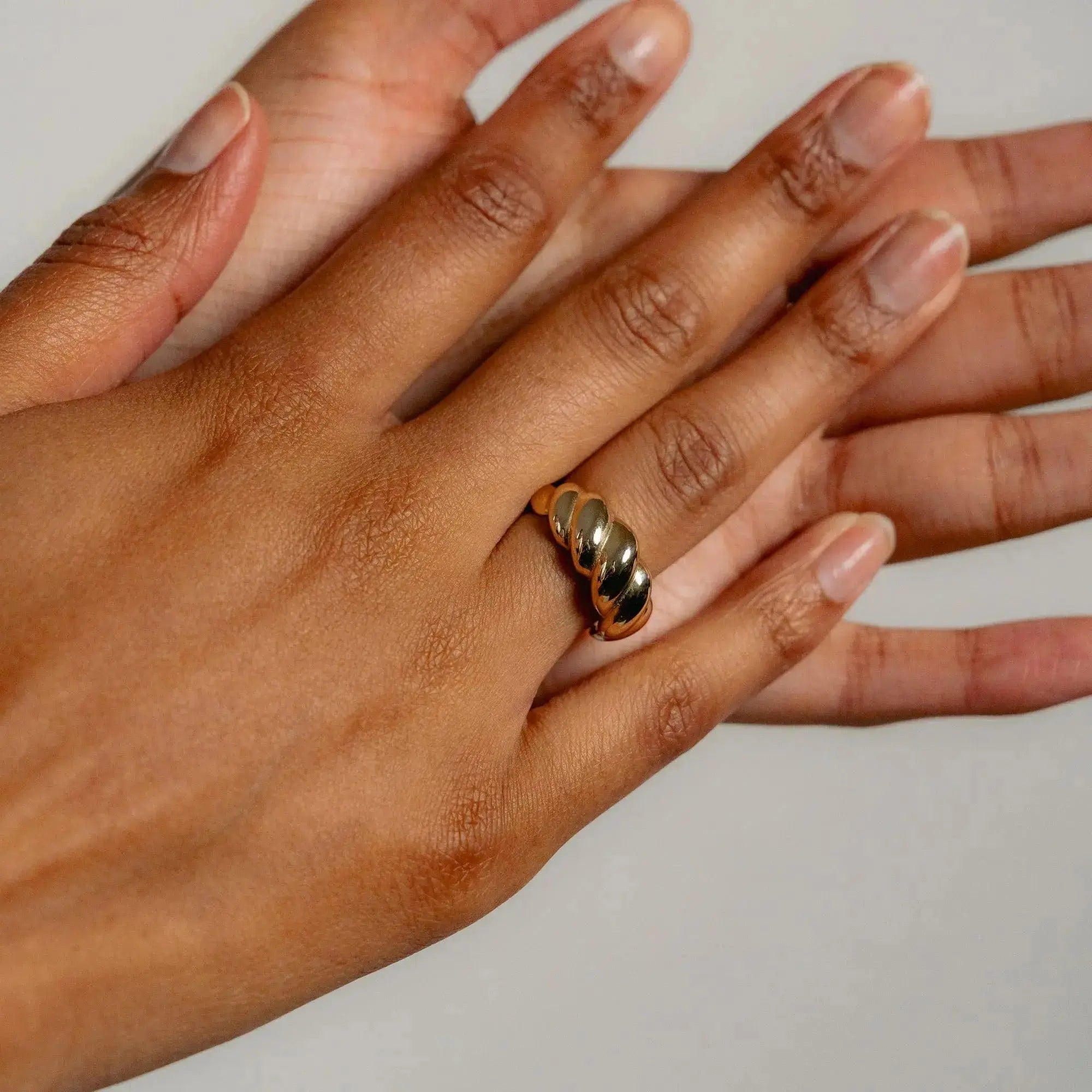
Solid gold jewellery is built to last — but even the best pieces need a little care. Here is everything you need to keep your gold looking exactly as it did on day one.
The basics
Why Cleaning Your Gold Jewellery Matters
Gold does not tarnish or rust — but it does attract oils, perspiration, cosmetics and environmental dust. Over time, this invisible buildup settles into the surface of the metal and around gemstone settings, dulling the natural brilliance that made you fall in love with the piece in the first place.
The good news is that solid 9ct gold responds beautifully to gentle cleaning at home. Because there is no plating to wear away, you can clean solid gold regularly without risk of damage — and the results are immediate. A piece that looks dull can be returned to its original shine in under ten minutes.
Unlike gold plated jewellery, solid gold does not require protective handling. Clean it with confidence — the gold goes all the way through.
What you need
Essential Tools and Materials for Cleaning Gold Jewellery
You do not need specialist equipment. Everything required is likely already in your home.
✓ Use these- Mild dish soap — a few drops is enough
- Warm water — not hot
- A soft-bristled toothbrush — baby toothbrushes work perfectly
- A lint-free microfibre cloth for drying and buffing
- A small bowl or cup for soaking
- Optional: a jewellery polishing cloth for final shine
The most important rule is gentleness. Soft materials only — nothing abrasive or textured that could scratch the surface of the metal or disturb a gemstone setting.
The method
Step-by-Step Guide: How to Clean Gold Jewellery at Home
Follow these steps for a safe, effective clean that restores shine without risk to your piece.
- Add a few drops of mild dish soap to a small bowl of warm — not hot — water. Stir gently to combine.
- Place your gold jewellery in the solution and let it soak for five to ten minutes. This loosens oils and buildup without any scrubbing required.
- Using your soft toothbrush, gently work around the surface of the piece — paying attention to crevices, chain links, and the underside of settings where dirt accumulates most.
- Rinse thoroughly under warm running water. Make sure all soap residue is removed, as leftover detergent can leave a film that dulls the finish.
- Pat dry with a lint-free cloth. Do not rub vigorously — gentle pressure is all that is needed.
- Buff lightly with a jewellery polishing cloth if you have one, working in small circular motions to restore the surface shine.
Ten minutes, once a month. That is all it takes to keep solid gold looking its best indefinitely.
Special care
Special Care for Gold Jewellery with Gemstones
Most gemstones — including lab grown diamonds and citrine — are safe to clean using the warm soapy water method above. Diamonds are among the hardest materials on earth and handle water and gentle soap with ease.
However, some stones require additional care:
- Pearls — clean with only a damp soft cloth. No soaking, no soap, no alcohol-based cleaners. Pearls are organic and water exposure can erode their surface over time.
- Opals — extremely porous and sensitive to temperature change. Wipe with a barely damp cloth only.
- Coral and turquoise — avoid any water or chemical exposure. Wipe dry only.
- Lab grown diamonds and citrine — safe for the standard warm soapy water method used for all Glasâje pieces.
When in doubt, a dry soft cloth is always the safest first step for any gemstone.
What not to do
What to Avoid: Substances That Damage Gold
The list of things to avoid is as important as the cleaning method itself. These substances can erode gold alloys, strip plating, damage gemstones, or leave permanent marks.
❌ Never use
✓ Always use
A note on popular DIY hacks: viral cleaning methods involving toothpaste, bicarbonate soda or cola are genuinely harmful to gold. Their abrasive or acidic nature can cause microscopic scratching that dulls the surface permanently, or in the case of plated jewellery, strip the gold layer entirely.
How often
How Often Should You Clean Your Gold Jewellery?
The right frequency depends on how often you wear a piece and how much contact it has with skin, products and the environment.
Weekly
Quick wipe
A microfibre cloth after each wear removes oils before they build up. Takes thirty seconds.
Monthly
Full clean
Warm soapy water and a soft brush. The method above, for pieces worn daily.
Yearly
Professional check
For checking settings, clasps and overall condition — particularly for pieces with diamonds or significant value.
When to get help
When to Seek Professional Cleaning and Maintenance
Home cleaning handles the vast majority of everyday maintenance. But there are situations where a professional jeweller is the right call.
- The piece has significant sentimental or monetary value and you are unsure about cleaning it yourself
- A stone appears loose or a setting feels different to how it usually does
- There are deep scratches or dents that a cloth cannot address
- The piece has not been cleaned in a long time and home cleaning has not restored the shine
- Clasps, links or joins feel weakened or are not closing properly
A professional clean typically includes an ultrasonic clean, steam clean, polish and a check of all settings and joins. It takes around thirty minutes and can transform a piece that has years of buildup. Our 12-month warranty covers manufacturing faults — but for general maintenance, your local jeweller is your best resource.
Long-term care
Tips for Keeping Your Gold Jewellery Sparkling Longer
The best cleaning routine is the one that means you need to clean less often. These habits make a significant difference to how your jewellery holds up over time.
- Put your jewellery on last — after perfume, moisturiser, sunscreen and hairspray. Chemicals in these products accelerate dullness and can affect certain gemstones.
- Remove jewellery before swimming in pools or the ocean. Chlorine and salt water are particularly harsh on gold alloys and can cause long-term surface damage.
- Store pieces separately in soft pouches or lined compartments. Gold can be scratched by other metals and hard gemstones when pieces are stored together.
- Wipe your jewellery with a soft cloth before putting it away each time you wear it. This thirty-second habit prevents the gradual buildup that leads to a dull surface.
- Keep jewellery away from extreme heat — avoid leaving pieces in direct sunlight, near radiators, or in hot cars for extended periods.
Solid gold rewards simple, consistent care. There is no maintenance routine too basic — even a soft cloth after each wear makes a difference over months and years.
Common questions
Frequently Asked Questions
Can I clean solid gold jewellery with water?
Yes. Solid gold is completely water safe. Unlike gold plated jewellery, there is no coating to be stripped by water. Warm water with a small amount of mild dish soap is the recommended cleaning solution for solid gold pieces.
How do I clean a gold necklace without damaging it?
Soak in warm soapy water for five to ten minutes, then use a soft toothbrush to gently clean along the chain links. Rinse well under warm water, pat dry with a lint-free cloth, and buff lightly. Avoid harsh chemicals, hot water, or any abrasive materials.
Does solid gold tarnish?
No. Solid gold does not tarnish. It may appear dull over time due to oil and product buildup on the surface — but this is easily removed with gentle cleaning. Once cleaned, solid gold returns to its original shine.
Can I use toothpaste to clean gold jewellery?
No. Toothpaste is mildly abrasive and can cause microscopic scratching on the surface of gold, dulling its finish over time. It can also damage softer gemstones. Use mild dish soap and warm water instead.
How often should I clean my gold jewellery?
A quick wipe with a microfibre cloth after each wear, and a proper soapy water clean once a month for pieces worn daily. Annual professional check-ups are recommended for fine pieces with gemstones.
Can I clean gold jewellery with lab grown diamonds at home?
Yes. Lab grown diamonds are physically identical to mined diamonds and are among the hardest materials on earth. They are completely safe to clean using warm water, mild dish soap and a soft toothbrush. Learn more about our lab grown diamonds here.
Is it safe to wear solid gold jewellery in the shower?
Yes. Solid 9ct gold is completely water safe and will not be damaged by showering. However, soap and shampoo buildup over time can dull the surface — a quick wipe after showering keeps pieces looking their best. All Glasâje solid gold pieces are shower safe.
Jewellery that is built to last deserves care that lasts. Every Glasâje piece is solid 9ct gold, crafted in Melbourne, and made to be worn every single day.