Sterling silver vs solid gold
Journal · Jewellery Education
Sterling silver vs solid gold: which is right for you?
Both are beautiful. Both are built to last. But they are not the same, and the right choice depends entirely on you.

Solid 9ct gold
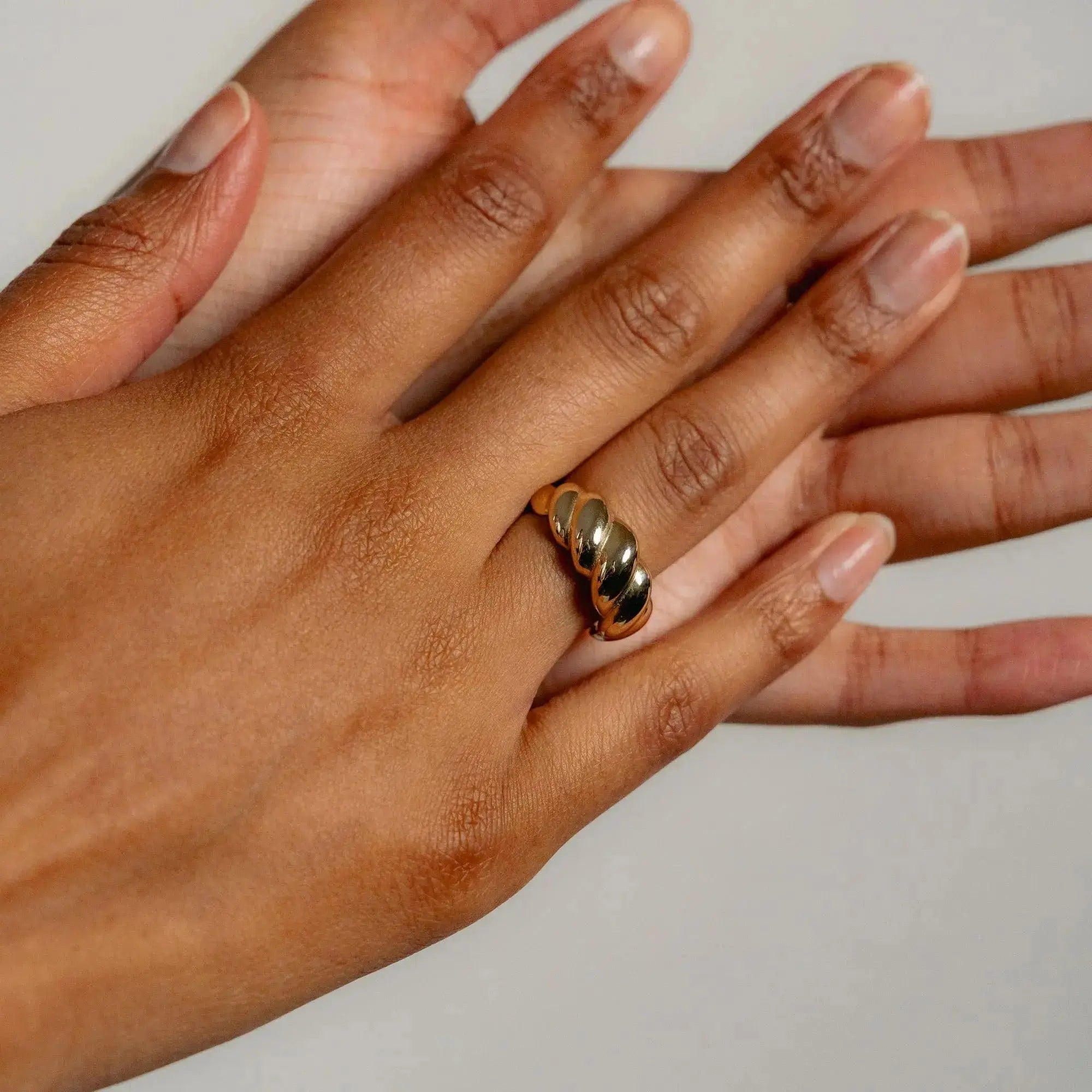
Solid gold is gold all the way through. At 9ct, it contains 37.5% pure gold alloyed with other metals to make it stronger and more wearable for every day. It will not tarnish, it will not fade, and it carries a warmth that silver cannot replicate.
It is the choice for someone who wants something they can put on and forget about. A piece that ages beautifully and holds its value. If you are building a long-term jewellery wardrobe, solid gold is where you start.
925 sterling silver
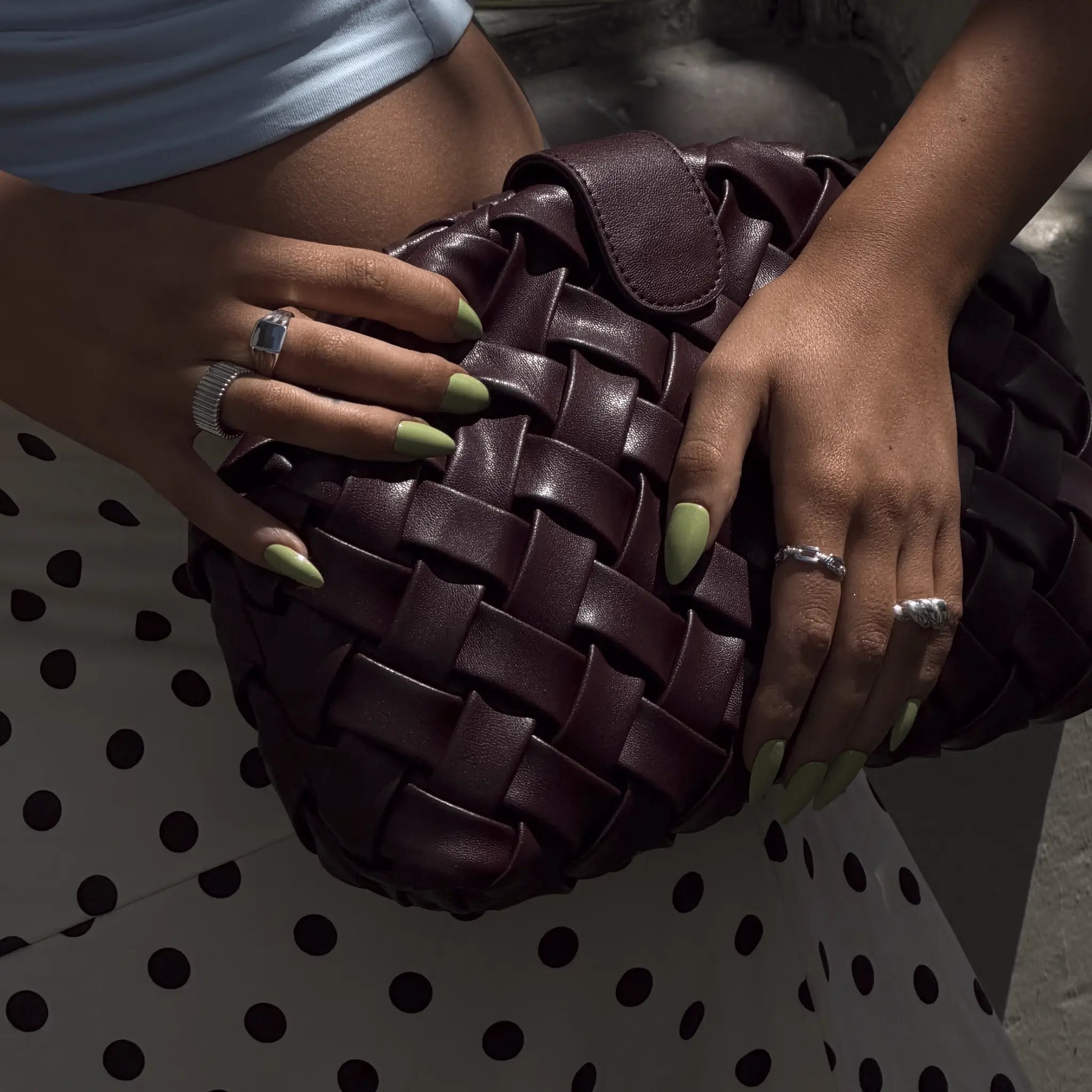
Sterling silver is 92.5% pure silver. It is hypoallergenic, never plated, and has a cooler, crisper aesthetic that suits certain skin tones and styles brilliantly. It is more accessible in price without any compromise on quality or craftsmanship.
With proper care, sterling silver lasts just as long as gold. It is a considered stylistic choice for those who prefer a cooler palette, and a strong entry point into fine jewellery.
Side by side
| Solid 9ct gold | Sterling silver | |
|---|---|---|
| Tone | Warm, golden | Cool, bright |
| Tarnish | Never | Minimal with care |
| Hypoallergenic | Yes | Yes |
| Everyday wear | Yes | Yes |
| Plated | Never — solid throughout | Never — solid throughout |
| Price point | Higher | More accessible |
Which should you choose?
If you want warmth, longevity with zero maintenance, and a piece that holds its value, go gold. If you prefer a cooler aesthetic, have a more accessible budget, or are building out a collection, silver is an excellent choice — crafted to the same standard at Glasaje.
Both are made in Melbourne from recycled materials. There is no inferior option here.
Frequently asked questions
Is sterling silver hypoallergenic?
Yes. Sterling silver is 92.5% pure silver and is hypoallergenic for most people. At Glasaje, our sterling silver pieces are never plated, so there is no nickel or base metal coating that can cause reactions.
Does sterling silver tarnish?
Sterling silver can develop a slight tarnish over time when exposed to air and moisture. It is easily removed with a soft cloth and warm soapy water. With regular wear and simple care, it stays bright.
Can I wear sterling silver every day?
Yes. Glasaje sterling silver pieces are designed and made for everyday wear. The same goes for our solid gold range — both are built to be worn daily.
Is solid gold better than sterling silver?
Neither is objectively better — they suit different preferences. Gold is warmer and never tarnishes. Silver is cooler, hypoallergenic, and more accessible in price. At Glasaje both are crafted to the same standard in Melbourne.